

Key take away
- Maruti Suzuki maintained its market leadership in 2025 with models like the WagonR and Swift.
- SUVs, particularly compact SUVs, continued their surge in popularity, driven by models such as the Tata Punch and Hyundai Creta.
- Increased emphasis on safety ratings and advanced features influenced consumer purchasing decisions across India.
- Electric Vehicle (EV) adoption gained further traction, with Tata Motors leading the segment.
- Affordability, fuel efficiency, and post-sales service remained crucial factors for Indian buyers.
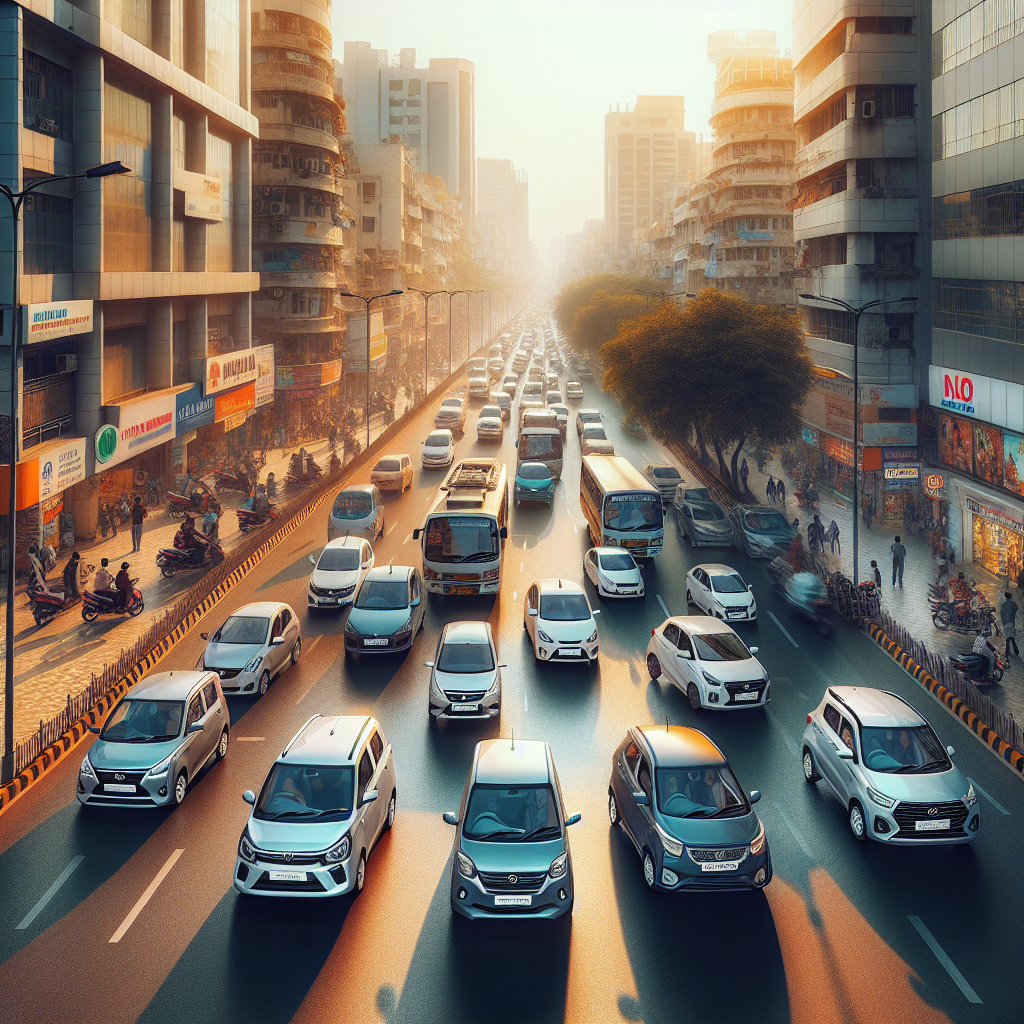
New Delhi, India – January 9, 2026, 6:30 PM IST – The year 2025 proved to be another dynamic period for the Indian automobile market, reflecting evolving consumer preferences, technological advancements, and a renewed focus on safety and sustainability. As the final sales figures for the year emerged, traditional stalwarts continued to dominate, while a new generation of feature-rich and safer vehicles gained significant ground. The market showcased a clear inclination towards compact vehicles and the ever-growing popularity of Sport Utility Vehicles (SUVs), alongside a steady, albeit nascent, surge in Electric Vehicle (EV) adoption.
Leading the charge, as in previous years, was Maruti Suzuki India Ltd., which consistently captured the largest share of the passenger vehicle segment. Its commuter-friendly hatchbacks and entry-level SUVs continued to be the bedrock of its sales. However, domestic players like Tata Motors demonstrated impressive growth, especially in the EV and compact SUV categories, solidifying their position as formidable competitors. Hyundai Motor India Ltd. also maintained a strong presence, catering to aspirational buyers with its premium offerings and modern designs.
Here’s a look at some of the top performers and their key specifications that defined the Indian automobile landscape in 2025:
| Car Model | Manufacturer | Starting Price (Ex-showroom, ₹) | Safety Rating (Bharat NCAP/Global NCAP) | Key Feature |
|---|---|---|---|---|
| Maruti Suzuki WagonR | Maruti Suzuki | 6,25,000 | 2-star (Global NCAP) | High Fuel Efficiency, Spacious Cabin |
| Maruti Suzuki Swift | Maruti Suzuki | 6,99,000 | 2-star (Global NCAP) | Sporty Design, Agile Handling |
| Tata Punch | Tata Motors | 7,50,000 | 5-star (Global NCAP) | Robust Build, Micro-SUV Appeal |
| Maruti Suzuki Brezza | Maruti Suzuki | 9,20,000 | 4-star (Global NCAP) | Compact SUV, Feature-rich |
| Hyundai Creta | Hyundai Motor India | 12,50,000 | 3-star (Global NCAP) | Premium Interior, Advanced Features |
| Tata Nexon EV | Tata Motors | 15,99,000 | 5-star (Global NCAP) | Long Range EV, Fast Charging |
Strategic Impact
The sales trends of 2025 underscore several critical shifts in the Indian automotive market. The continued dominance of affordable and fuel-efficient models from Maruti Suzuki highlights the price sensitivity of a large segment of Indian consumers, particularly in tier-2 and tier-3 cities. However, the remarkable rise of compact SUVs like the Tata Punch and Maruti Suzuki Brezza, alongside the premium appeal of the Hyundai Creta, indicates a strong aspirational demand for vehicles that offer better road presence, higher ground clearance, and enhanced safety. The growing awareness around safety ratings, fueled by platforms like Bharat NCAP, has directly impacted purchasing decisions, pushing manufacturers to prioritize structural integrity and safety features. Furthermore, Tata Motors’ strategic focus on electric vehicles, particularly with the Nexon EV, has positioned it as a frontrunner in the nascent but rapidly expanding Indian EV market. Government incentives under schemes like FAME II and supportive infrastructure development played a pivotal role in accelerating this transition. The year also saw increasing digitalization of the buying process, from online bookings to virtual showrooms, streamlining consumer access and choice. This dual focus on affordability and premiumization, coupled with a push for greener mobility, will undoubtedly shape the industry’s trajectory for years to come.
Frequently Asked Questions (FAQs)
Q1: Which car manufacturer dominated the Indian market in 2025?
Maruti Suzuki continued its legacy of market dominance in 2025, primarily due to its wide range of affordable, fuel-efficient, and reliable vehicles that cater to a broad spectrum of Indian buyers.
Q2: What was the major trend observed in car buying in India during 2025?
The year 2025 solidified the trend of SUVs, especially compact SUVs, gaining immense popularity. Consumers increasingly preferred vehicles with higher ground clearance, robust styling, and enhanced safety features.
Q3: How important were safety ratings for Indian car buyers in 2025?
Safety ratings became a significant influencing factor for Indian car buyers in 2025. With increased awareness from platforms like Bharat NCAP and Global NCAP, consumers actively sought out vehicles with higher safety scores.
Q4: Did electric vehicles (EVs) see significant growth in 2025?
Yes, 2025 saw continued growth in the Indian EV segment, albeit from a low base. Tata Motors remained a key player, leading the charge with popular models like the Nexon EV, supported by evolving charging infrastructure and government incentives.
Q5: What factors will shape India’s auto market in 2026 and beyond?
Looking ahead, factors such as sustained economic growth, increased disposable incomes, evolving regulatory frameworks for emissions and safety, the accelerating transition to electric mobility, and continuous innovation in connected car technologies will significantly shape India’s auto market.
Leave a Reply